
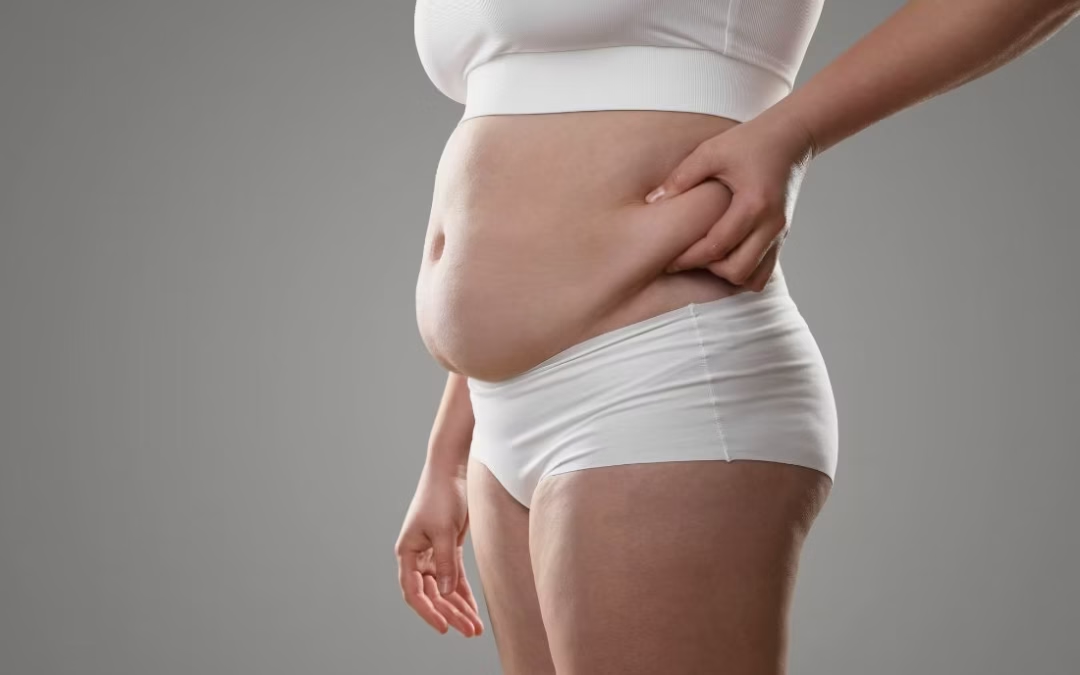
Losing weight is hard enough on its own. But when hormones are involved, it can feel like your body is working against you. Conditions like PCOS, menopause, and postpartum recovery all affect how your body stores fat, burns energy, and responds to food. That is why pcos weight loss needs a more thoughtful, personalised approach.
At Canberra Weight Loss Clinic, every treatment plan is built around your hormonal health — not just the number on the scale.
Why Hormones Affect Weight Loss
Your hormones control a lot more than your mood. They influence how your body uses energy, where it stores fat, and how hungry you feel. When they are out of balance, weight gain becomes much harder to avoid — especially around the belly.
Common Hormonal Factors
- Insulin resistance, which is common in PCOS
- Estrogen changes that happen during menopause
- Hormonal shifts that follow pregnancy
These factors often lead to stubborn belly fat that does not respond well to standard diet advice.
Understanding PCOS and Weight Gain
Polycystic Ovary Syndrome (PCOS) is a hormonal condition that affects metabolism and how your body processes insulin.
How PCOS Impacts Weight
- Higher insulin resistance makes fat storage more likely
- Elevated androgen levels affect how fat is distributed
- A slower metabolism means your body burns fewer calories at rest
These changes make pcos weight loss more complex. But with the right plan, results are absolutely possible.
Menopause and Weight Changes
Weight gain during menopause is extremely common, and it is not simply about eating more or moving less. Hormonal changes are often the real driver.
Why It Happens
- Falling estrogen levels shift where fat is stored
- Metabolism slows down with age and hormonal change
- Fat tends to move toward the abdomen
A targeted menopause weight loss plan takes these changes into account so your efforts actually work.
Postpartum Weight Loss Challenges
After having a baby, your body has been through a great deal. Weight loss during this time needs to be gentle and well-supported.
Key Factors
- Hormone levels shift dramatically after birth
- Sleep deprivation affects hunger hormones and energy
- Physical activity may be limited during recovery
Rushing postpartum weight loss can do more harm than good. A slow, steady approach is always the safer choice.
How to Lose Belly Fat with Hormonal Conditions
Belly fat is one of the most common concerns for women dealing with PCOS, menopause, or postpartum changes. Reducing it takes more than cutting calories.
Choose whole foods, lean proteins, and low glycaemic index meals. These help keep blood sugar stable, which is especially important for insulin-related conditions.
A mix of strength training and cardio works well for improving metabolism and reducing fat over time. You do not need to go to extremes — consistency matters more than intensity.
High stress raises cortisol levels, and cortisol encourages fat storage — particularly around the middle. Small daily habits like walking, breathing exercises, or better sleep can make a real difference.
Sometimes lifestyle changes alone are not enough. Medical support can help identify what is going on hormonally and guide you toward treatments that actually address the root cause.
Role of Medical Weight Loss in Hormonal Conditions
A medically guided plan offers structure and expert oversight that general advice simply cannot provide.
What It Includes
- Hormonal assessment to understand your body
- Personalised nutrition plans that suit your lifestyle
- Behavioural support to help build lasting habits
- Medical treatments where appropriate
Canberra Weight Loss Clinic provides comprehensive programs designed around your individual needs — not a one-size-fits-all formula.
Our Related Blog
Medical Weight Loss Canberra: Doctor-Led Weight Management & Treatment Guide
Benefits of a Personalised Approach
No two bodies respond to weight loss in the same way. A customised plan gives you a much better chance of seeing real, lasting results. This is especially true for pcos weight loss, where standard diets often fall short.
Tips for Sustainable Weight Loss
Long-term success comes from building habits you can actually keep. Focus on:
- Progress over perfection
- Goals that are realistic and kind to your body
- Regular check-ins with your health team
- Getting professional help when things feel stuck
Start Your Journey Towards Better Health
Hormonal weight gain is not your fault, and you do not have to figure it out alone. With the right support and a plan built around your body, lasting change is within reach.
At Canberra Weight Loss Clinic, patients receive expert, compassionate care focused on long-term health — not quick fixes.
Frequently Asked Question
1. Why is PCOS weight loss difficult?
PCOS affects insulin and hormone levels, which slows metabolism and makes fat storage more likely.
2. Can I lose belly fat with PCOS?
Yes. With the right diet, movement, and medical guidance, reducing belly fat is achievable.
3. How is menopause weight loss different?
Hormonal shifts during menopause slow your metabolism and change fat distribution, so a targeted approach is needed.
4. Is postpartum weight loss safe?
Yes, when done gradually and with proper guidance, postpartum weight loss is both safe and beneficial.
5. Should I seek medical help for hormonal weight loss?
Yes. A professional can identify the underlying causes and build an effective, personalised plan for you.
Contact us today to book your consultation
Email Us: reception@greenwaymedicalcentre.com.au
Call Greenway: 02 5114 4587
Call Molonglo Valley: 02 5114 4587