
When assessing your weight, the number on the scales does not always tell the whole story. Two people can have the same weight and height but different amounts of body fat, muscle and other body tissues. This is why understanding BMI vs body composition can help you gain a clearer picture of your weight-related health.
Body Mass Index (BMI) is commonly used to classify weight categories, while body composition assessment provides additional information about the proportion of fat and lean tissue in your body. Both measurements can be useful, but neither should be considered a complete assessment of health on its own.
At Canberra Weight Loss Clinic, understanding these differences can help individuals make more informed decisions about medical weight management and long-term health goals.
What Is BMI?
Body Mass Index, commonly known as BMI, is a calculation based on your weight and height. It is widely used as an initial screening tool to identify weight categories that may be associated with health risks.
BMI is calculated using the following formula:
BMI = Weight (kg) ÷ Height (m)²
For example, an adult who weighs 80 kg and is 1.75 metres tall has a BMI of approximately 26.1.
BMI Categories for Adults
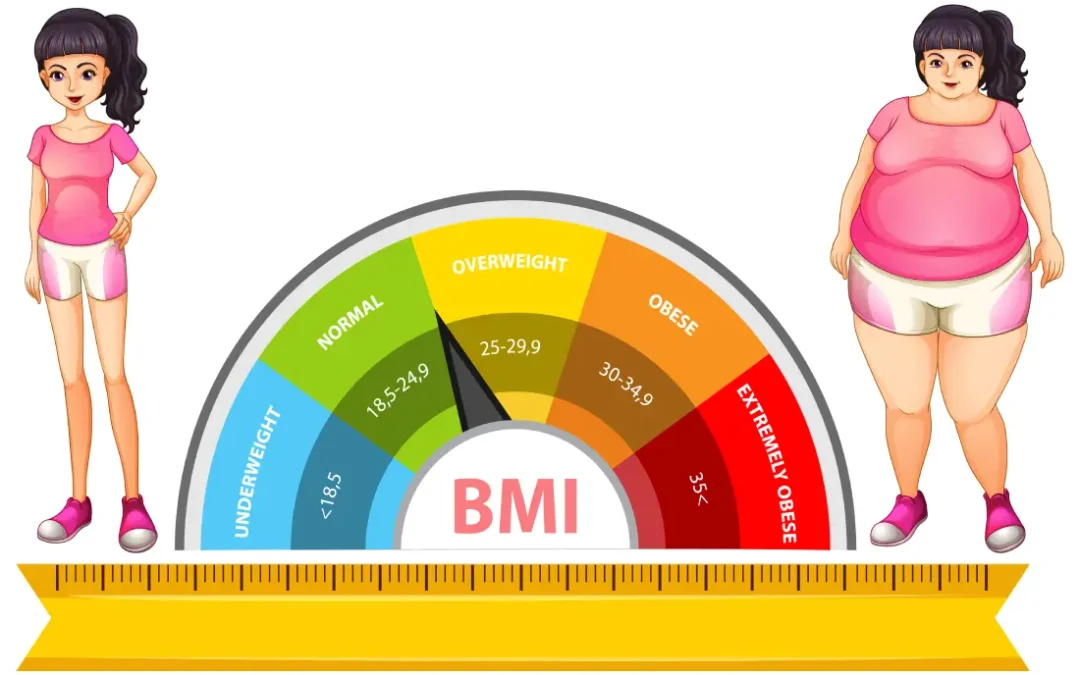
The commonly used adult BMI categories are:
- Below 18.5: Underweight
- 18.5–24.9: Healthy weight range
- 25–29.9: Overweight range
- 30–34.9: Obesity class I
- 35–39.9: Obesity class II
- 40 or above: Obesity class III
These categories are screening guidelines rather than definitive measurements of individual health. BMI may require different interpretation depending on age, ethnicity, muscularity and other personal factors.
What Are the Limitations of BMI?
BMI does not directly measure body fat or distinguish muscle from fat. For example, someone with a high level of muscle mass may have a higher BMI without having the same body-fat profile as another person with an identical BMI.
BMI also cannot show where fat is stored in the body. This matters because abdominal fat distribution can provide additional information about metabolic and cardiovascular health risks.
What Is Body Composition?
Body composition describes the different components that make up your body weight. A body composition assessment can provide information about the amount and proportion of body fat and lean tissue.
Rather than simply measuring how much you weigh, it helps explain what contributes to that weight.
What Does a Body Composition Assessment Measure?
Depending on the method used, a body composition assessment may estimate:
- Body fat mass: The amount of your body weight made up of fat.
- Body fat percentage: The proportion of total body weight represented by fat.
- Lean mass: The body’s non-fat components, including muscles, organs, bones and body water.
- Visceral fat: Fat stored around internal abdominal organs, which is associated with several metabolic health risks.
Different assessment methods measure or estimate these components with varying degrees of accuracy. Results should be interpreted according to the equipment used and the individual’s circumstances.
BMI vs Body Composition: What Is the Difference?
The main difference is what each measurement tells you.
BMI relates your weight to your height. Body composition provides more detailed information about the makeup of your body weight.
For example, two people with the same BMI may have different proportions of muscle and fat. One may have greater muscle mass, while the other may have a higher body-fat percentage.
This does not mean BMI is useless. It remains a practical and widely recognised screening measure. However, combining BMI with other measurements can provide a more informative assessment.
Understanding BMI and Body Fat
BMI and body fat are related, but they are not interchangeable.
A higher BMI can be associated with increased body fat, but BMI cannot determine an individual’s exact body-fat percentage. Similarly, a BMI within the conventional healthy range does not automatically rule out excess body fat or other health concerns.
Healthcare professionals may consider BMI alongside waist circumference, body composition, medical history and other risk factors when evaluating weight-related health.
Why Does Body Fat Percentage Matter?
Body fat percentage indicates the proportion of your total body weight that consists of fat.
For example, if someone weighs 80 kg and has an estimated body fat percentage of 25%, approximately 20 kg of their body weight is fat.
However, body fat percentage must be interpreted in context. Appropriate ranges vary according to factors such as age and sex, and there is no single percentage that defines health for everyone.
Can Body Fat Percentage Help Track Progress?
It can provide additional information during a weight management program. For instance, body weight may remain relatively stable while body composition changes.
However, body-fat estimates can vary depending on the measurement method, hydration, recent exercise and other conditions. Consistent measurement methods and trends over time are generally more informative than a single reading.
What Is Visceral Fat, and Why Is It Important?
Visceral fat is stored deep inside the abdomen, surrounding internal organs. It differs from subcutaneous fat, which sits beneath the skin.
Higher levels of visceral fat are associated with an increased risk of conditions such as type 2 diabetes and cardiovascular disease. However, visceral fat cannot be accurately assessed simply by looking at someone’s body shape.
How Is Visceral Fat Assessed?
Waist circumference is a practical measure that can help assess abdominal fat-related health risk. Some body composition devices also provide visceral fat estimates.
Advanced imaging methods can measure visceral fat more directly, but they are not routinely required for everyone. A healthcare professional can determine which assessments are appropriate.
Which Measurement Is Best for Weight Management?
There is no single measurement that provides a complete picture of health for every individual.
BMI may be useful for initial screening, while body composition can provide additional detail about fat and lean tissue. Waist circumference can help assess abdominal fat-related risk.
A more comprehensive assessment may also consider blood pressure, blood glucose, cholesterol, medical history, medications, nutrition, physical activity and sleep.
How Can Body Composition Support a Weight Management Plan?
Monitoring body composition may help individuals and healthcare professionals understand changes beyond total body weight.
For example, it may provide useful context when weight changes slowly or when maintaining lean mass is an important consideration during treatment.
Nevertheless, body composition measurements should support—not replace—a broader clinical assessment.
Body Composition Assessment at Canberra Weight Loss Clinic
Choosing suitable measurements is an important part of understanding your weight-related health. Canberra Weight Loss Clinic offers body composition assessment as part of its broader focus on personalised weight management.
Depending on individual needs, a weight management plan may also involve nutrition planning, physical activity guidance, medical assessment, behavioural support and consideration of other appropriate treatment options.
The aim is to understand your health more completely rather than relying on a number on the scales alone.
If you would like to understand how BMI, body composition and other health factors fit into obesity assessment, read our pillar article: Obesity Diagnosis: A Complete Guide to Assessment, Causes & Treatment in Australia.
Frequently Asked Questions
1. Is BMI or body composition more accurate?
They measure different things. BMI relates weight to height, while body composition provides estimates of fat and lean tissue. Using both alongside other health information may provide a more complete picture.
2. Can you have a normal BMI but a high body fat percentage?
Yes. BMI does not directly measure body fat, so someone within the conventional healthy BMI range may still have a relatively high body-fat percentage. Individual health risks require broader assessment.
3. What is a healthy body fat percentage?
There is no single ideal percentage for everyone. Appropriate ranges depend on factors such as age, sex and individual circumstances. A healthcare professional can help interpret the results.
4. Is visceral fat more dangerous than fat under the skin?
Higher visceral fat levels are associated with greater metabolic risk because this fat is stored around internal organs. However, overall health depends on multiple factors, not fat distribution alone.
5. How often should I get a body composition assessment?
The appropriate frequency depends on your goals, treatment plan and measurement method. Your healthcare professional can recommend a suitable schedule and help interpret changes over time.
Final Takeaway
Understanding BMI vs body composition can help you look beyond body weight alone. BMI offers a useful screening measure, while body composition assessment can provide additional information about body fat percentage and lean tissue. Waist circumference and visceral fat-related risk may also be relevant.
For a more complete understanding of weight-related health, these measurements should be considered alongside medical history and other clinical findings. A personalised assessment can help identify suitable next steps for your individual circumstances.
Contact us today to book your consultation
Email Us: reception@greenwaymedicalcentre.com.au
Call Greenway: 02 5114 4587
Call Molonglo Valley: 02 5114 4587